Jamaican Food in Denver: Best Caribbean Eats Around Town
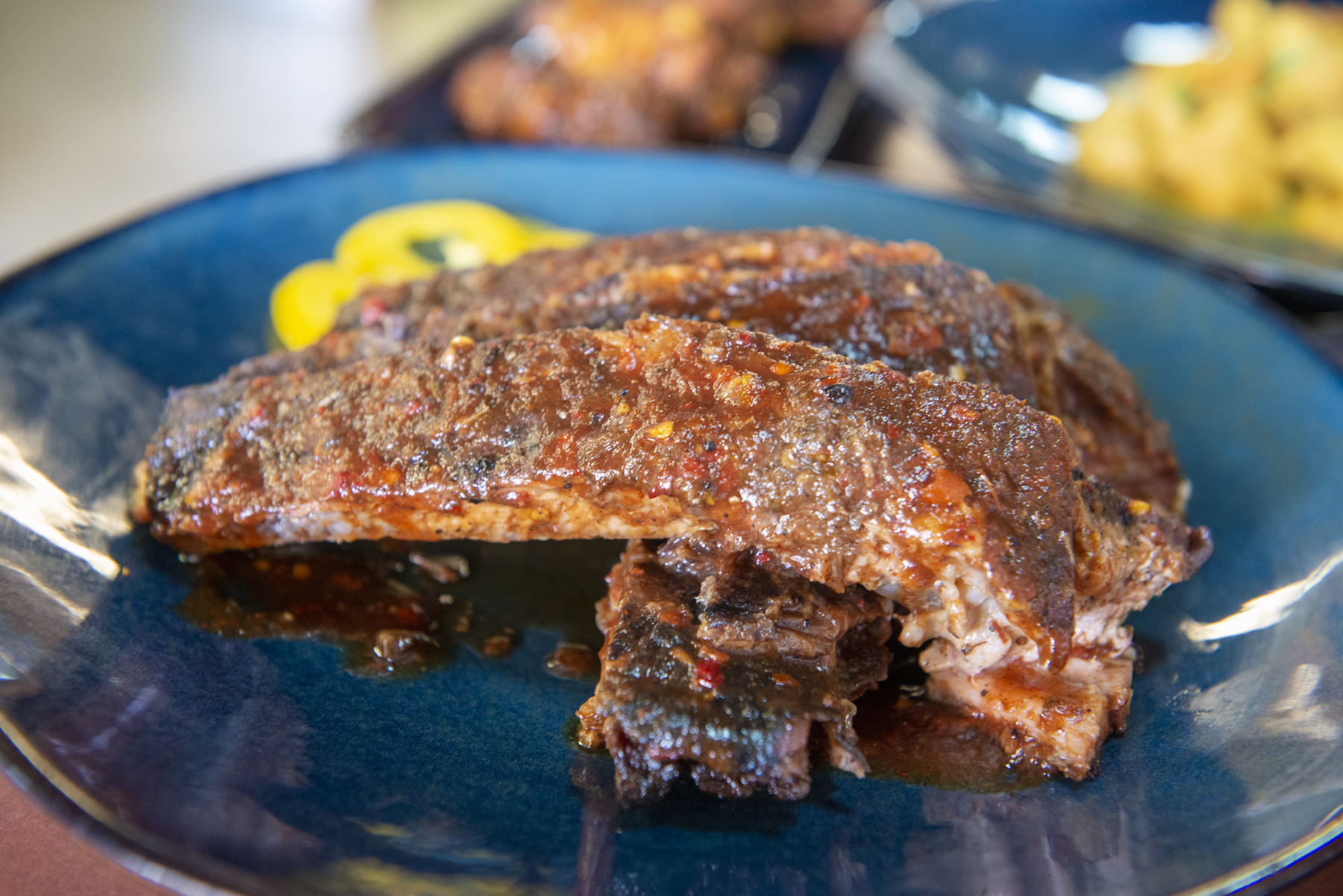
Denver is not the first city most people name when they talk about Jamaican cooking, but that is part of what makes the local scene interesting. You have to look a little harder, ask better questions, and order with some intention. When you do, the payoff is real. A well-run Jamaican kitchen can cut straight through a cold Front Range evening with jerk smoke, deeply seasoned brown stew, pepper heat, and the kind of slow-cooked tenderness that tells you somebody in the back understands time.
The phrase jamaican food denver gets searched by people looking for a quick answer, usually a restaurant name and a plate recommendation. Fair enough. But Jamaican food rewards context. It is not just a category on a delivery app. It is a cuisine built on technique, memory, migration, and bold seasoning that has to stay balanced to work. In Denver, where Caribbean food is still more niche than in cities like New York, Miami, or Toronto, the best meals tend to come from places that cook with confidence rather than trying to flatten every dish for a broad audience.
If you are trying to find the best Caribbean eats around town, the useful question is not only where to go. It is also what to look for, what to order, and how to tell whether a restaurant is serving food with real care instead of relying on the familiar names of a few iconic dishes.
What makes Jamaican food distinct in the first place
Jamaican cooking carries a mix of African, Indigenous, European, Indian, and Chinese influences, but on the plate it feels unmistakably itself. The flavors are direct and layered at the same time. Scotch bonnet peppers bring heat and fruit. Allspice, called pimento in Jamaica, shows up in jerk and other spice blends with a warm, almost sweet depth. Thyme, scallion, ginger, garlic, and onions do a lot of the heavy lifting. Browning sauce adds color and a gentle bitterness to braises. Coconut, curry powder, and slow-cooked beans all have their place.
Good Jamaican food is often about contrast. A spicy main lands next to rice and peas that calm everything down. A rich stew gets a burst of brightness from pickled vegetables or hot sauce. Fried plantains bring sweetness beside salt and smoke. Texture matters too. Oxtail should be silky, not stringy. Jerk chicken should have char at the edges and moisture under the skin. Beef patties should be flaky enough to leave evidence on your shirt if you eat one in the car, which many people eventually do.
That last detail matters more than it sounds. Jamaican food is practical food as much as celebratory food. It works for a quick lunch, a family tray on a Sunday, late takeout, or a special meal where everyone shares. The best spots in Denver understand that range. They do not treat the cuisine like a novelty.
Denver’s Jamaican and broader Caribbean scene, small but worth chasing
Denver’s Caribbean dining landscape is not massive, and it can be uneven. Some menus lean broadly “island” to cover multiple traditions. Others focus more specifically on Jamaican standards. You will also find overlap with soul food, barbecue, or pan-Caribbean cooking, especially in casual neighborhood restaurants where one kitchen serves several cravings at once.
That can frustrate purists, but it also reflects how food businesses survive here. Rent is not cheap. Ingredient sourcing can be inconsistent. A restaurant may need a wider menu than a specialist spot in a larger East Coast market. The practical result for diners is this: do not judge a place only by whether the menu includes every classic. Judge it by how well it executes the dishes it clearly cares about.
In Denver, the strongest Jamaican meals often come from kitchens that keep a tight core of staples and do them every day. Jerk chicken, curry chicken, oxtail, rice and peas, cabbage, plantains, and patties form the backbone at many places. Seafood may appear more selectively. Goat is common on some menus but not all, partly because cost and sourcing can push restaurants to rotate it or price it higher. Ackee and saltfish, one of Jamaica’s national dishes, is less common as an everyday menu item in many U.S. Markets, and Denver is no exception.
A diner used to bigger Caribbean hubs may notice that some Denver restaurants moderate the heat. That is not always a flaw. Plenty of Jamaican food is aromatic first and fiery second. The issue is whether the flavor still feels complete. A toned-down jerk seasoning can still work if the allspice, thyme, scallion, and smoke are there. If the chicken tastes merely sweet and vaguely spicy, the kitchen has lost the plot.
The dishes that separate a serious kitchen from an average one
The easiest way to evaluate a Jamaican restaurant is to order beyond the safest option. Jerk chicken is essential, but almost every place offers it, and it can hide a lot. Oxtail, curry goat, or brown stew chicken tell you more about the kitchen’s hand. These dishes depend on layering, patience, and restraint. Too little seasoning and they taste flat. Too much browning sauce or salt and the balance collapses.
Jerk, done right, is not just spicy grilled chicken. It should smell of pimento and thyme before you even taste it. The seasoning needs to penetrate. A good jerk plate has contrast between dark, charred edges and juicy meat underneath. If there is smoke involved, all the better. Oven-roasted jerk can still be satisfying, but the best versions carry at least some flame-kissed bitterness to offset the spices.
Oxtail is the dish many regulars use as a benchmark. It should arrive glossy from the braising liquid, with meat that yields easily but does not disintegrate into mush. The gravy matters as much as the tail itself. You want body, not grease. Beans in the sauce are common, and when they have soaked up the seasoning, they become half the pleasure of the plate.
Curry goat is where shortcuts show quickly. The meat should be tender and properly trimmed, the curry deep and fragrant rather than dusty or harsh. A good version tastes slow-built. You should pick up garlic, onion, thyme, and chile around the curry, not just a one-note hit of powder.
Even sides reveal a restaurant’s standards. Rice and peas should be aromatic and separate, not clumped or dry. Steamed cabbage sounds simple, but in the right hands it gives sweetness and relief to heavier mains. Fried plantains should be caramelized, soft in the center, and not slick with old oil.
What to order on your first visit
If you are staring at a menu and trying to decide where to start, these five choices give you a solid read on a restaurant:
- Jerk chicken, for smoke, seasoning, and overall balance
- Oxtail, if available, for braising skill and gravy quality
- Curry goat or curry chicken, to judge depth of flavor
- Beef patty, for pastry texture and spice control
- Rice and peas with cabbage and plantains, because sides matter more than people think
You do not need to order all of that in one sitting, although a group certainly could. The point is that a strong Jamaican kitchen should make at least two or three of these items memorable, not merely adequate.
How to spot the best Caribbean eats around town without relying on hype
Denver diners, like diners anywhere, can get pulled toward the loudest social posts or the trendiest neighborhood. That is not the best way to find Jamaican food. This cuisine tends to shine in places where the energy goes into the kitchen rather than the marketing. Sometimes the room is simple. Sometimes service is warm but brisk. Sometimes your food takes longer than a fast-casual meal because the kitchen is finishing dishes to order and handling a wave of takeout at the same time.
A few signs usually point in the right direction:
- The menu is focused, with a clear core instead of dozens of unrelated items
- The sides taste intentional, especially rice and peas, cabbage, and plantains
- Heat is offered as a choice, not used to cover weak seasoning
- Regulars seem to know exactly what they want before they reach the counter
- The aromas hit you early, with thyme, allspice, onion, and slow-cooked meat in the air
I have found that the regulars are often the best clue. In restaurants with genuinely good Caribbean food, people order with unusual decisiveness. They know whether they want brown stew or curry, whether they need an extra patty, whether they are getting sorrel if it is available. That confidence is hard to fake.
Neighborhood patterns and where the food tends to show up
Denver does not have one singular Caribbean corridor in the way some cities do. Instead, the cuisine appears in pockets across the metro, often in modest strip centers, neighborhood commercial blocks, and mixed cultural dining zones where independent restaurants can still carve out space. If you are serious about finding strong Jamaican food in Denver, widen the map beyond the most obvious downtown dining districts.
Aurora often enters the conversation because it has long been one of the metro’s most diverse food landscapes. That does not automatically make every Caribbean restaurant there excellent, but it does mean diners are more likely to encounter family-run spots, hybrid menus, and restaurants shaped by immigrant communities rather than by trend forecasting. Parts of east Denver and nearby residential-commercial corridors can also produce good finds, especially where the customer base values hearty portions and repeatable comfort food over flashy presentation.
This matters because Jamaican food rarely performs best when forced into a concept built mainly for aesthetics. It is food with scent, steam, sauce, and texture. It travels fairly well, but it is not naturally dainty. A plate with jerk chicken, rice and peas, cabbage, and plantains should look generous and alive, not composed with tweezers.
The case for eating in, even if you usually order delivery
Jamaican food is better suited to takeout than many cuisines. Braises hold heat well. Rice travels nicely. Patties are portable by design. That said, if you really want to judge a restaurant, eat on site at least once.
Jerk is the obvious reason. Fresh from the kitchen, it keeps more char, more contrast, and more aromatic intensity. Plantains are better before they steam themselves soft in a closed container. Fried items in general have a shorter window. Even cabbage tastes brighter when it has not been trapped in transit.
There is also the less tangible benefit of reading the room. You hear how people order. You notice which dishes sell out. You get a sense of pace. At busy Jamaican restaurants, there is often a rhythm to service that rewards patience. Someone may be wrapping patties, someone else slicing dark meat for lunch trays, another person checking braises that have been going for hours. Dining in lets you understand the restaurant as a working kitchen, not just a delivery destination.
What Denver gets right, and where expectations should stay realistic
Denver’s strength is not volume. It is that the city now has enough culinary range that Jamaican and broader Caribbean flavors no longer feel like a one-off novelty. Diners know jerk. They ask for oxtail. They understand that rice and peas are not the same thing as plain rice with legumes thrown in. That baseline familiarity helps restaurants stay closer to the food they actually want to cook.
The challenge is consistency, especially in a market where staffing, supply chains, and rent pressure can hit independent operators hard. One week a place may have excellent curry goat, the next week it might be unavailable. That is not always a red flag. Sometimes it means the restaurant would rather run out than serve a weaker substitute. The smarter move as a diner is to stay flexible and ask what is especially good that day.
Expect some variation in spice level, menu breadth, and side options across town. Also expect prices on premium dishes like oxtail to reflect reality. Oxtail has become expensive everywhere, not just in Denver. When a restaurant charges more for it, that does not mean it is gouging. It often means the owner is trying to keep a labor-intensive dish on the menu at all.
A little patience goes a long way here. Some of the best Caribbean meals are not optimized for speed. They are optimized for flavor.
Pairings, drinks, and the details that round out the meal
A lot of diners focus only on the main plate, but the supporting details shape the experience. Sorrel, when you can get it, brings spice, tartness, and sweetness that work beautifully with rich meats. Ginger beer gives sharp relief against slow-cooked gravies and chile heat. Some restaurants offer tropical juices that do the same job in a softer way.
Desserts are less central in many Jamaican takeout orders, but do not ignore them if they are available. Rum cake, sweet potato pudding, or coconut-based sweets can end the meal on a note that feels true to the kitchen rather than generic. The same goes for breakfast or weekend specials, if a restaurant offers them. Those often reveal what the owners and cooks actually eat at home, which can tell you more than the standard lunch menu.
And then there are patties. A proper beef patty is not just a snack to fill time while waiting for your entrée. It is one of the great fast foods in the world, compact, flaky, seasoned, and deeply satisfying. In a city like Denver, where many people spend a lot of time in the car, the patty should be even more beloved than it is.
If you are new to Jamaican food, start broad, then go deeper
People who are unfamiliar with the cuisine sometimes begin with the idea that everything will be extremely spicy. That is not quite right. Jamaican food can be hot, but its real signature is seasoning with personality. The flavors should feel vivid and rounded, not punishing.
For a first meal, jerk chicken or brown stew chicken is a good entry point. Both are approachable and expressive. Once you trust a restaurant, move toward oxtail, curry goat, or house specials. If the menu includes a soup of the day or a weekend-only dish, pay attention. Those items often carry the strongest home-style energy in the building.
Try not to mix up Jamaican cooking with a generic notion of “Caribbean” food, either. Caribbean cuisines share ingredients and influences, but each tradition has its own habits, seasonings, and signature combinations. A strong pan-Caribbean restaurant can be wonderful, but it may not scratch the exact same itch as a specifically Jamaican kitchen. Knowing the difference helps you order more happily and judge more fairly.
The practical side of finding great jamaican food denver diners will revisit
Search results can get you started, but they rarely tell you what matters most. The real test is whether a restaurant delivers flavor that lingers in memory. You remember the dark crust on the jerk, the richness of the oxtail gravy soaking into rice, the sweetness of plantains against the spice, the way cabbage somehow made the whole plate feel lighter. You remember whether the meal felt assembled or cooked.
For Denver diners, the smartest approach is to treat Jamaican food as worth a small detour. https://maps.app.goo.gl/37JZ7dpqaHRz7t9A9 Do not just wait until you happen to be nearby. Build the errand around the meal. Go when you have time to eat it fresh. If a place has a reputation for selling out of certain specials, go earlier. If staff suggest a dish with particular enthusiasm, listen.
That is usually how the best meals in this category happen, not by chasing a polished “best of” ranking, but by noticing where care lives. Jamaican cooking has too much character to be reduced to a checklist. At its best in Denver, it brings smoke, spice, patience, and warmth to a city that knows how to appreciate hearty food when the weather turns cold and even when it does not.
The local scene may still be smaller than some diners hope. Even so, it is strong enough to jamaican food denver reward repeat visits, comparisons, and cravings. Once you find a kitchen that nails the fundamentals, you will understand why people become loyal fast. They are not just ordering lunch. They are returning for a very specific kind of satisfaction, one built from seasoning, time, and a plate that feels complete the moment it hits the table.
Reggae Pot Jamaican Grill
Address: 2243 S Monaco St Pkwy #104, Denver, CO 80222
Phone number: +17204102956
FAQ About Jamaican Food Denver
What is typical Jamaican food?
Typical Jamaican food features bold, vibrant flavors created by blending African, Taino, European, and Asian influences.
What is a famous Jamaican dish?
Ackee and saltfish is Jamaica's national dish, made by sautéing the soft local ackee fruit with salted cod, onions, tomatoes, and spicy Scotch bonnet peppers.
What food is most popular in Jamaica?
The most popular and famous food in Jamaica is Jerk Chicken, celebrated worldwide for its smoky, spicy flavor.